


-

Add: HeBei ShengShi HongBang Cellulose Technology CO.,LTD.
-

Email
13180486930@163.com -

CONTACT US
+86 13180486930
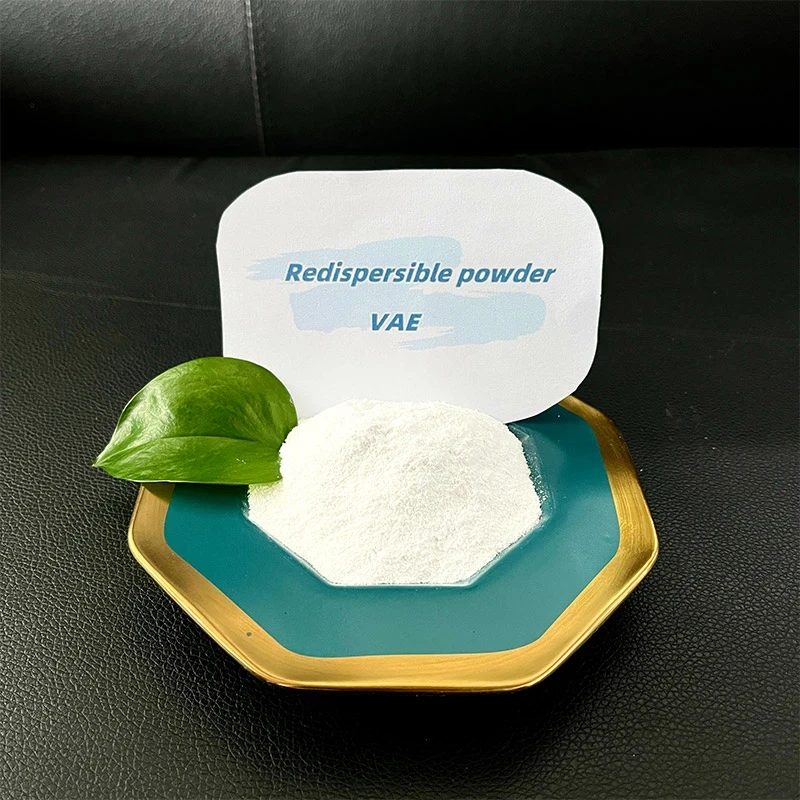

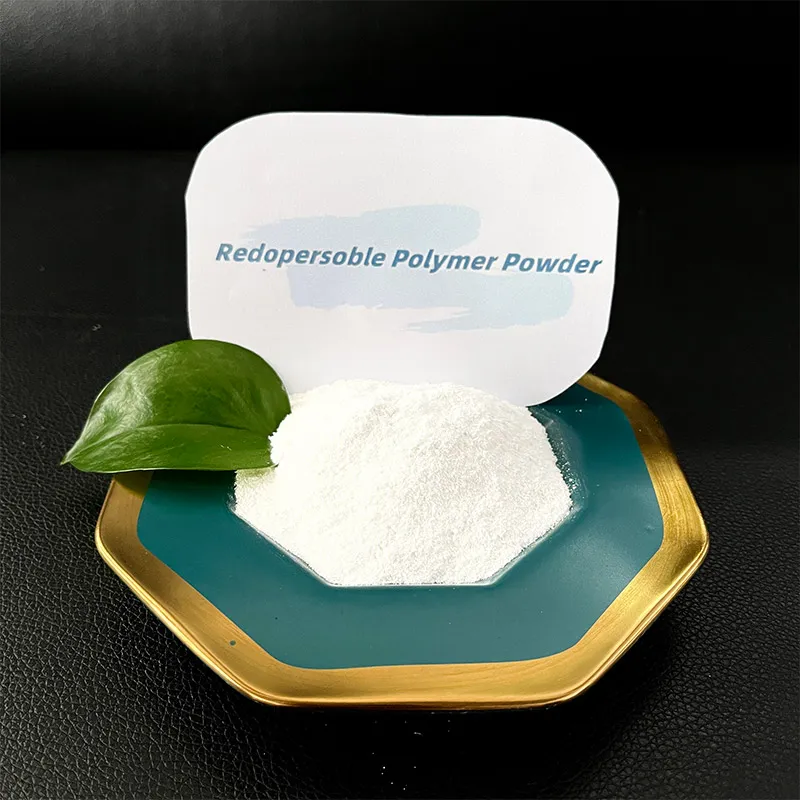
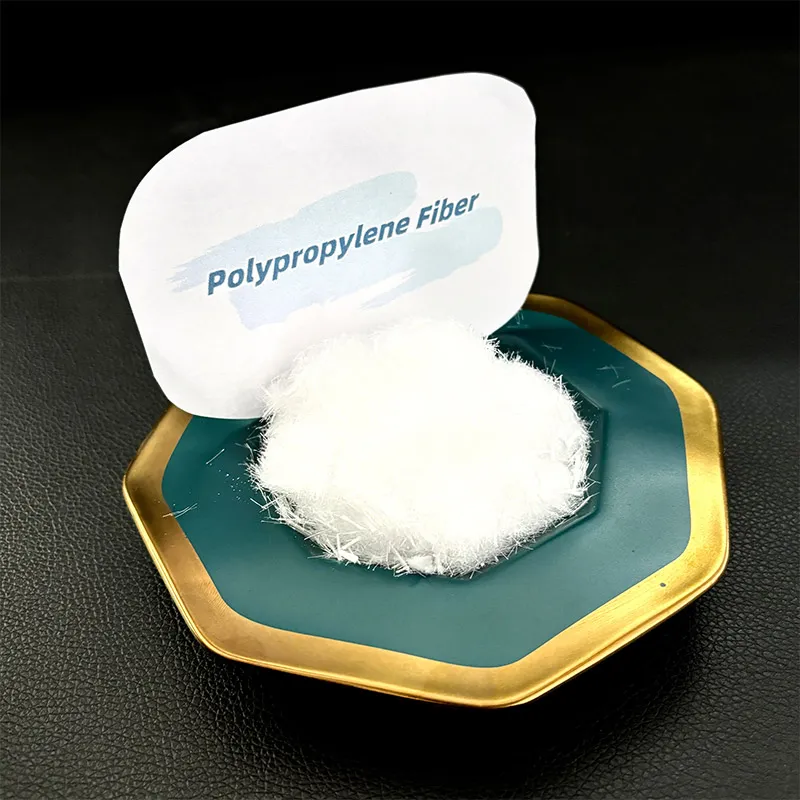



Hydroxypropyl methylcellulose 2208 , a highly versatile compound, stands at the forefront of numerous industrial applications due to its exceptional properties and efficacy. Widely recognized in the fields of pharmaceuticals, food manufacturing, and construction, this compound is celebrated for its ability to encapsulate, bind, and thicken with remarkable efficiency. In the pharmaceutical sector, hydroxypropyl methylcellulose 2208 serves as an essential ingredient in the production of controlled-release formulations. Its unique viscosity and gel-forming capabilities ensure the consistent release of active ingredients, thereby enhancing the therapeutic efficacy of medications. Experienced pharmacists often laud this compound for its stability under various pH conditions, which guarantees maximum absorption in the digestive tract. Clinical trials consistently demonstrate its safety and non-toxicity, reinforcing the trust medical professionals place in its use. In the realm of food technology, hydroxypropyl methylcellulose 2208 is acknowledged as a food additive that optimizes texture and consistency. Its ability to act as an emulsifier and stabilizer is particularly valued in the production of low-fat dairy and bakery products. Culinary experts often highlight its role in improving mouthfeel and extending shelf life, providing a more satisfactory experience for consumers. Given its plant-derived origin, it meets the growing demand for vegetarian and vegan-friendly additives, thereby aligning with modern dietary preferences. hydroxypropyl methylcellulose 2208 The construction industry finds hydroxypropyl methylcellulose 2208 indispensable, especially in cement-based applications. As a highly effective water retention agent and workability enhancer, it improves the adhesion and durability of mortars and plasters. Professional builders and craftsmen appreciate its contribution to reducing shrinkage and cracking, ultimately leading to more robust and long-lasting structures. Technical data consistently supports its superior performance in high-stress environments, making it a go-to choice for industry leaders aiming to achieve excellence and innovation. From an environmental perspective, hydroxypropyl methylcellulose 2208 is a compound that shines. Being biodegradable and derived from natural sources, it meets the sustainability criteria that modern industries strive for. Environmental scientists and sustainability experts commend its role in reducing carbon footprints and promoting eco-friendly industrial practices. Its integration into sustainable product lines showcases how advances in material science can align with global efforts to protect the planet. Overall, hydroxypropyl methylcellulose 2208 is a testament to scientific advancement and industrial versatility. Through extensive research and real-world application, it commands respect and trust across various sectors. Its continuous evolution and adaptability resonate with industry experts who are committed to excellence in their fields. As global trends continue to push for innovation and sustainability, hydroxypropyl methylcellulose 2208 remains a key player, inspiring confidence with its authoritative presence and trusted solutions.
- 40000tons

Production
- 20+years

Experience
- 5000+㎡

Acreage

-
Hydroxypropyl Methylcellulose (HPMC) is a highly versatile and reliable compound used across various industries for its remarkable properties. Whether you're in the construction, pharmaceutical, food, or cosmetic sectors, hydroxypropyl methylcellulose plays an essential role in improving the quality and performance of your products. Known for its ability to act as a binder, thickener, film-former, and stabilizer, HPMC is an indispensable ingredient in modern manufacturing processes. Discover the many benefits of hydroxypropyl methylcellulose and how it can elevate your products. Hydroxypropyl Methylcellulose Function: Enhancing Quality and Performance The hydroxypropyl methylcellulose function is vast and incredibly beneficial in various applications. As a cellulose derivative, HPMC serves several crucial roles, including thickening, water retention, and improving workability in construction materials like tile adhesives and cement. Additionally, hydroxypropyl methylcellulose is commonly used in pharmaceuticals as a binder and controlled-release agent for tablets and capsules. In the food industry, HPMC is often added to enhance texture, stabilize emulsions, and provide moisture retention. Whether for construction, food, or personal care products, the hydroxypropyl methylcellulose function is essential in achieving superior product performance. Where to Buy Hydroxypropyl Methylcellulose: Quality and Affordability When you decide to buy hydroxypropyl methylcellulose , choosing a reliable supplier is key to ensuring you receive high-quality products at competitive prices. Whether you need hydroxypropyl methylcellulose for construction, pharmaceuticals, or food applications, our products meet the highest standards of quality. We offer a wide selection of hydroxypropyl methylcellulose grades to suit your specific needs, with easy ordering and fast delivery options. When you buy hydroxypropyl methylcellulose from us, you're investing in a product that guarantees consistent performance and outstanding results in all applications. Hydroxypropyl Methylcellulose Price: Affordable Solutions for Your Needs Looking for an affordable solution to enhance your products? The hydroxypropyl methylcellulose price is often influenced by factors such as the grade, quantity, and supplier. However, despite the variations in pricing, hydroxypropyl methylcellulose remains a cost-effective solution for many industries. By choosing the right supplier, you can find hydroxypropyl methylcellulose at a price that fits your budget, all while ensuring high-quality results. Our competitive hydroxypropyl methylcellulose price ensures that you can access premium-grade materials without breaking the bank, making it an excellent investment for your manufacturing needs. Why Choose Our Hydroxypropyl Methylcellulose for Your Projects? When it comes to quality, consistency, and performance, our hydroxypropyl methylcellulose products stand out. We offer a wide variety of HPMC grades suitable for various industries, including construction, pharmaceuticals, food, and cosmetics. Whether you're looking to improve adhesion, water retention, or texture, our hydroxypropyl methylcellulose is formulated to meet your specific requirements. With reliable customer service, fast shipping, and competitive pricing, choosing us for your hydroxypropyl methylcellulose needs ensures you get the best product at the best value. Hydroxypropyl Methylcellulose FAQs What is hydroxypropyl methylcellulose used for? Hydroxypropyl methylcellulose (HPMC)is used in a wide range of industries for its excellent properties. It functions as a thickener, binder, stabilizer, and emulsifier in construction materials (such as tile adhesives and cement), pharmaceuticals (as a binder and controlled-release agent), food (to enhance texture and retain moisture), and cosmetics (to improve viscosity and texture). Its versatility makes it an essential ingredient for many manufacturing processes. What is the function of hydroxypropyl methylcellulose in construction? In construction, hydroxypropyl methylcellulose plays a critical role in improving the workability and water retention of cement-based products like tile adhesives, grout, and mortar. It helps to prevent premature drying, allowing the mixture to remain workable for longer periods and improving its adhesion to various surfaces. This enhances the overall durability and strength of construction materials, making HPMCa crucial component in the building industry. How can I buy hydroxypropyl methylcellulose for my project? You can buy hydroxypropyl methylcellulose from trusted suppliers like us, who offer a wide range of HPMC products for various industries. Whether you're in construction, pharmaceuticals, or food processing, we have the right grade of hydroxypropyl methylcellulose to meet your needs. Simply visit our website, browse our product catalog, and place your order with ease. We offer competitive prices, fast delivery, and excellent customer support. How much does hydroxypropyl methylcellulose cost? The hydroxypropyl methylcellulose price depends on several factors, including the grade, quantity, and supplier. However, we strive to offer the most competitive prices without compromising on quality. Our hydroxypropyl methylcellulose is affordable and provides excellent value, ensuring that you get a high-performance product at a reasonable price. For bulk orders, we also offer discounted rates to help you save on large projects. Why should I choose your hydroxypropyl methylcellulose products? Our hydroxypropyl methylcellulose products are carefully manufactured to meet the highest industry standards, ensuring superior performance and consistency. Whether you need HPMCfor construction, pharmaceuticals, or other applications, we offer the best quality at competitive prices. We are committed to providing you with reliable products, fast delivery, and excellent customer support to ensure the success of your project. Choose us for all your hydroxypropyl methylcellulose needs.
-
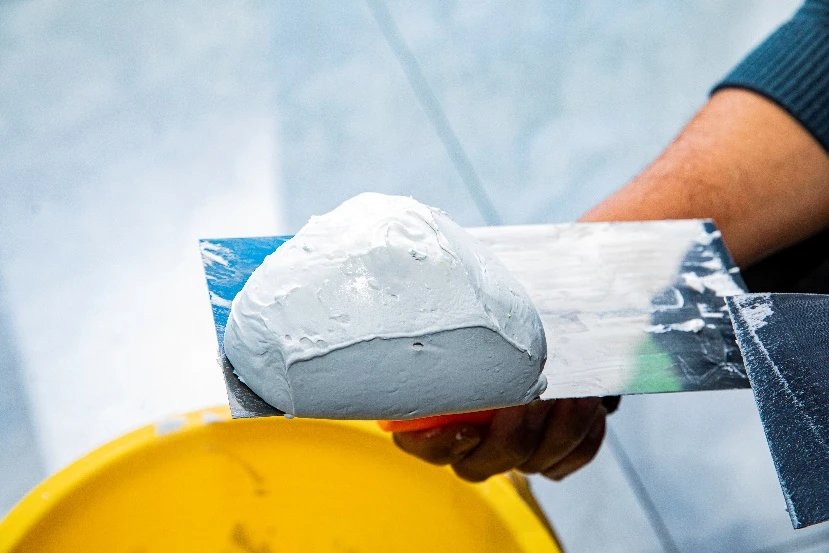
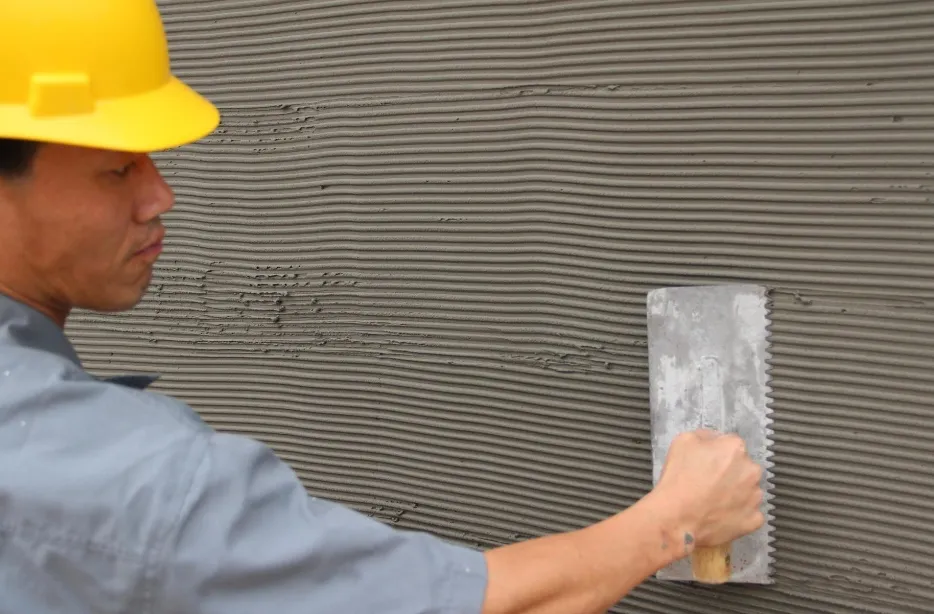
Utilizing Hydroxypropyl Methylcellulose (HPMC) in Skim Coats Expert Insights Hydroxypropyl Methylcellulose (HPMC) has emerged as a vital component in the construction industry, particularly in the formulation of skim coats. Its application not only enhances the overall quality of the finish but also optimizes the working conditions for contractors. As an expert delves into the nuanced benefits of HPMC for skim coats, it becomes evident that it is an indispensable material fostering exceptional results, grounded in its scientific properties and practical application. When it comes to producing a smooth, durable skim coat, understanding the precise role of HPMC is critical. Serving as a thickener, binder, film-former, and water retention agent, HPMC fortifies the coat, ensuring its consistent texture and durability. Its ability to improve the workability of the plaster or stucco by controlling its viscosity places it in high regard among applicators aiming for precision and ease of application. In practical settings, the water retention capacity of HPMC allows for extended working times which becomes crucial in high-temperature or low-humidity environments. This property not only ensures that the coat does not set too quickly, allowing for leisurely manipulations and adjustments but also aids in preventing cracks that might occur due to rapid evaporation of water from the mix. The excellent tensile strength provided by HPMC ensures that the final set coat is not only visually appealing but also robust in structure. Another valuable contribution of HPMC to skim coats lies in its adhesive properties . By improving the adhesion between the skim coat and its substrate, HPMC helps in minimizing detachment risks and ensures the longevity of the finish. This adhesive enhancement is vital for large-scale projects where the structural integrity of the coat is non-negotiable. hpmc for skim coat Technical expertise underscores the versatility of HPMC in adjusting setting times. By tailoring the quantity of HPMC in the mixture, professionals can manage setting and curing times to align with specific environmental conditions and project schedules. This adaptability underscores HPMC's critical role in mitigating project risks associated with weather-induced delays or imperfections. Moreover, incorporating HPMC optimizes the surface activity of skim coats, contributing significantly to enhanced stain resistance and finishing quality. Its ability to form an evenly distributed film over surfaces ensures that the final finish can resist external contaminants, providing a cleaner and more resilient surface. The authoritative endorsement of HPMC for use in skim coats is well-established through scientific research and real-world applications. Industry experts consistently rely on HPMC due to its proven, reliable performance and economic feasibility. As a scientifically backed additive, it garners trust not only from contractors and builders but also from environmental scientists for its non-toxic nature and biodegradability. This eco-friendly profile of HPMC solidifies its standing as a sustainable choice in modern construction practices. Increasingly, the construction industry values such sustainable practices, and HPMC's profile aligns well with green building standards, making it an ideal choice for contemporary projects. As building practices evolve towards more sustainable and environmentally friendly methods, materials such as HPMC gain prominence for aligning with these future-forward standards and regulations. In conclusion, the utilization of HPMC in skim coat formulations brings substantial technically and environmentally grounded improvements, enhancing the quality and lifespan of the coat. Its robust physical properties foster reliability and adaptability crucial for modern building demands. As the construction sector continues to lean into these multi-benefit materials, industry experts can confidently assert that HPMC not only meets but surpasses current standards for enhancing construction material performance. Its established efficacy, coupled with environmental compatibility, presents HPMC as a trusted choice for skim coat applications.
advantages
-

200000 Viscosities
Excellent product
We can produce pure products up to 200,000 viscosities
-

40000 tons
High yield
We don’t stop production all year round, and the annual output can reach 40,000 tons
-

24 hours
Quality service
We provide 24-hours online reception service, welcome to consult at any time
———— Inquiry Form
Schedule A services

-
 hydroxypropyl_methyl_cellulose
Oct . 25, 2025
Hydroxypropyl Methylcellulose (HPMC) is a multifaceted compound that has garnered significant attent -
 serat_polipropilen_untuk_dijual
Oct . 25, 2025
Hydroxypropyl methylcellulose (HPMC), particularly the K100LV grade, is an essential polymer frequen -
 celulosa_de_madera
Oct . 25, 2025
Hydroxypropyl methylcellulose (HPMC) polymer is increasingly capturing the attention of researchers,


